Live Head Lice
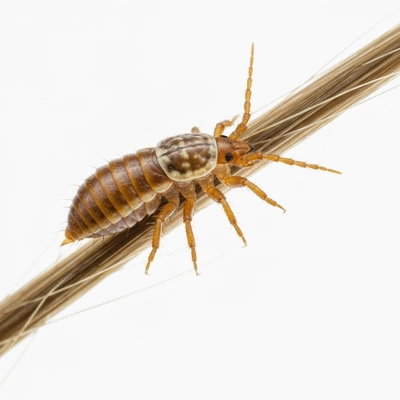
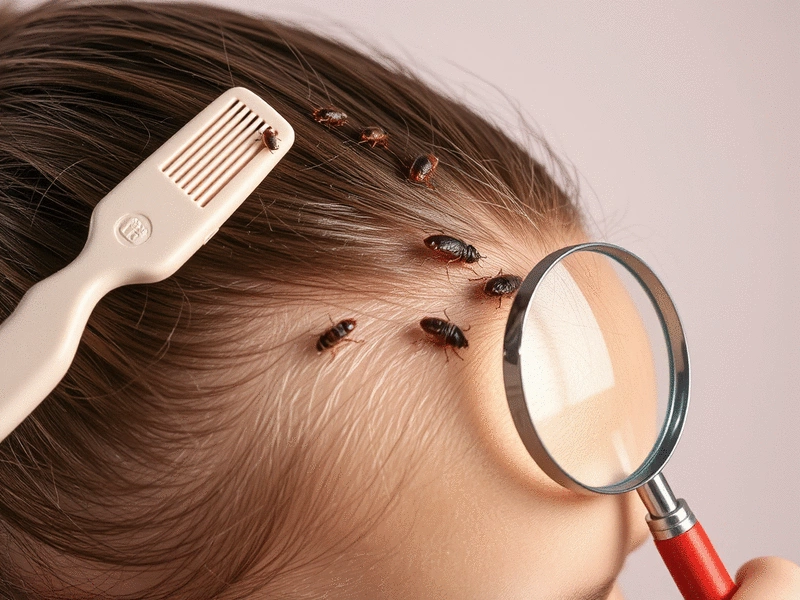
Size: Approx. 2-3 mm (sesame seed).
Movement: Quick, hard to spot.
Color: Brown or tan.
Attachment: Crawl freely on scalp/hair.
Understanding the nuances of head lice management can feel like a daunting task. However, armed with the right information, you can navigate this challenge with ease and confidence. Let's explore some key insights to empower you in the battle against these pesky intruders!
Differentiating between live head lice, their eggs (nits), and common scalp debris is crucial for effective management. This visual guide highlights the key characteristics to help you identify each one with confidence.
Size: Approx. 2-3 mm (sesame seed).
Movement: Quick, hard to spot.
Color: Brown or tan.
Attachment: Crawl freely on scalp/hair.
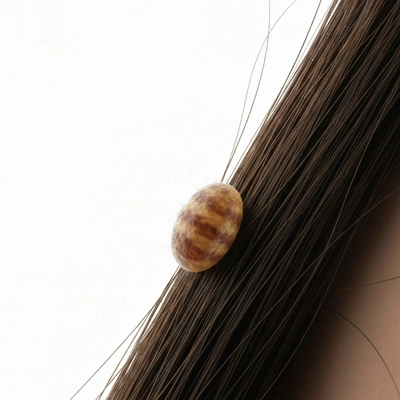
Size: Oval, tiny.
Color: Yellowish-white.
Attachment: Firmly glued to hair shaft (¼ inch from scalp).
Removal: Difficult to remove, won't brush off easily.
Appearance: Flaky, white particles.
Attachment: Not attached to hair.
Removal: Easily brushed or shaken off hair.
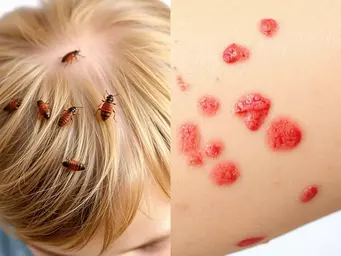
Scabs: Red/inflamed areas from scratching.
Hair Products: Shiny/sticky residue, clumps together.
Common Mistake: Often confused with nits due to appearance.
When it comes to managing head lice, clarity is key. Many parents feel overwhelmed when they first encounter these pests. By understanding the differences between live head lice, their eggs (nits), and common scalp debris, you can tackle this challenge with confidence!
At Lice Nits, we’re here to empower you with the knowledge you need to effectively identify and manage lice infestations. Let’s dive in!
Live head lice are tiny insects that live on the scalp and feed on human blood. They are about the size of a sesame seed and can be brown or tan in color. Understanding their characteristics is crucial for effective management!
Nits are the eggs laid by adult lice and are often found attached to the hair shafts close to the scalp. They look like small, oval dots and can be confused with dandruff, but they don’t easily fall off.
Live lice are fascinating little creatures, though not in the way we might like! They thrive in warm environments, like our heads, and can reproduce quickly. A female louse can lay up to 10 eggs per day!
Their bodies are flat, allowing them to navigate easily through hair. This characteristic makes it easier for them to cling on during washing or brushing. Being aware of these traits can help you identify whether you’re dealing with lice.
Nits are the next stage in the lice lifecycle. They are firmly attached to the hair shafts, usually within ¼ inch of the scalp. This proximity is important for their survival, as they need the warmth and blood supply from the scalp.
Unlike dandruff, which can easily be brushed off, nits require effort to remove. Have you found nits on your child's scalp? It’s essential to take action quickly to prevent a larger infestation!
Aside from lice and nits, various other substances can inhabit the scalp. Recognizing the differences between these substances can save you from unnecessary stress. Let’s explore!
Understanding these common scalp debris types can help you differentiate between harmless flakes and potential lice issues. Remember, frequent checks are your best friend!
Dandruff can often cause confusion. While both dandruff and nits appear white and flaky, nits are firmly attached to the hair and won’t brush off easily. If you notice something that can be easily dislodged, it’s likely just dandruff!
Regularly inspecting your child’s scalp can help you catch lice early. The sooner you identify the problem, the easier it is to manage!
Scabs can arise from itching, so be sure to monitor any potential scratching. If you see red, inflamed areas on the scalp, it could indicate irritation from lice bites or other issues.
Additionally, hair products can create a build-up that might resemble nits. Check for shiny or sticky residue that’s clumped together. Always look closely to determine the real culprit!
Recognizing the symptoms of lice infestation is essential for timely action. The most common sign is an itchy scalp, which often leads to scratching. But is itching the only symptom?
Being vigilant about these signs can help you tackle lice before they escalate. If you notice your child is itching often, it’s time to investigate further!
If your child is scratching their head more than usual, it’s definitely a cue to check for lice. The itchiness is usually caused by allergic reactions to lice bites. Don’t delay—addressing it sooner rather than later can prevent further spread!
Consider consulting our resources at Lice Nits for guidance on what to do next!
Itching isn’t the only sign to watch for. You might also notice your child complaining of a tickling sensation in their hair. Additionally, they could have trouble sleeping due to discomfort. Keep an eye out for these indicators!
Identifying lice early can make a significant difference in the ease of treatment. Have you experienced these signs with your family? Share your thoughts below!
Have you ever faced a head lice infestation in your household? What strategies did you find most effective in managing it? Share your experiences and tips below:
To tackle the challenge of head lice effectively, it's essential to remember the key points we've discussed. Understanding how to identify live head lice and their nits is crucial for successful management. We've explored the characteristics that distinguish these pests from common scalp debris, which can significantly reduce the anxiety associated with infestations.
By being aware of these differences, you can act swiftly when it comes to detection and treatment, ensuring your family's well-being.
When it comes to identifying head lice and nits, the right techniques make all the difference. Here’s a quick recap to keep in mind:
These methods empower parents and caregivers to respond confidently. Remember, the sooner you identify lice, the easier it is to manage them, allowing you to reclaim peace of mind!
Head lice infestations can be stressful, but understanding the facts is the first step towards minimizing their impact. At Lice Nits, I believe that education is our strongest ally in combating these pests. By staying informed about the life cycle of lice, potential symptoms, and effective detection methods, you can navigate this challenge with confidence!
It's essential to approach head lice with a calm mindset. Seeking support from reliable resources and fellow parents can be invaluable. If you ever feel overwhelmed, remember that you’re not alone. We’re all in this together!
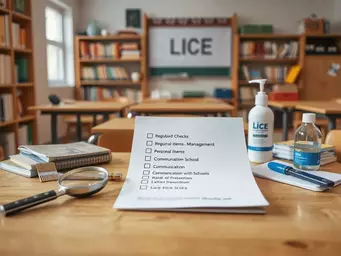
To assist you further, we’ve created a handy printable checklist for at-home detection of head lice. This checklist provides a structured approach to help you monitor your child’s scalp regularly. You can download it on our website!
If you find that your efforts at home aren't yielding the desired results, don't hesitate to seek professional help. Local pediatricians, school nurses, and specialized lice removal services can provide expert guidance and support. It’s always okay to reach out for assistance!
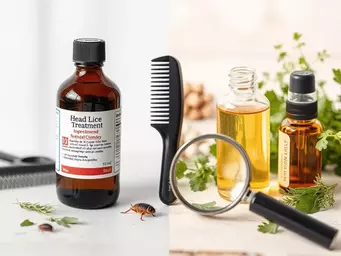
As a health educator, I advocate for exploring non-toxic solutions for lice treatment. Natural remedies can be effective alternatives to chemical treatments and are often gentler on the scalp. Some popular options include:
These options can be beneficial, especially for sensitive scalps, but always consult with a healthcare professional before trying new treatments.
Finally, understanding community awareness and school policies regarding head lice is vital. Many schools have specific guidelines regarding lice management that can affect your child. For example, the CDC offers resources for parents and schools to help manage head lice. Stay informed about these policies and advocate for a supportive approach:
By working together, we can create an environment that supports families dealing with head lice, reducing stigma and promoting healthy practices!
Here is a quick recap of the important points discussed in the article:
Dr. Emily Hargrove is a dedicated health educator focused on pediatric care and family health. With over a decade of experience, she specializes in providing parents and caregivers with essential information about head lice and effective management strategies. Dr. Hargrove is committed to empowering families through education, ensuring they have access to reliable resources that promote health and well-being.