Head Lice Lifecycle
1. Nits (Eggs)
Tiny, stick to hair shafts. Hatch in ~7 days.
2. Nymphs
Immature lice. Mature to adults in ~7 days.
3. Adults
Capable of laying up to 8 eggs per day.
Have you ever wondered how head lice manage to spread so quickly in households? With a little knowledge about their lifecycle and transmission, you can take proactive steps to manage and prevent infestations effectively.
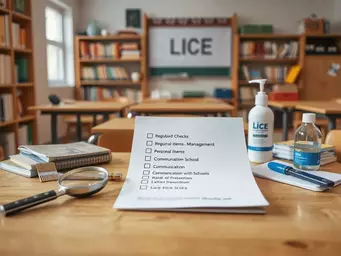
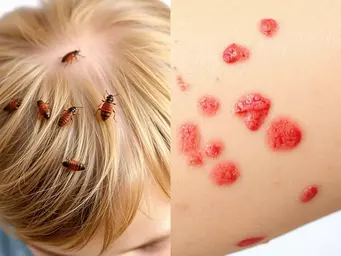
Understanding how head lice spread and their lifecycle is key to effective management. This visual outlines the three stages of a louse's life and a simple prevention checklist for caregivers.
Tiny, stick to hair shafts. Hatch in ~7 days.
Immature lice. Mature to adults in ~7 days.
Capable of laying up to 8 eggs per day.
Head lice are tiny, wingless insects that live on the scalp and feed on human blood. Understanding how these pests spread in households is crucial for effective management. Lice are primarily transmitted through direct head-to-head contact, which is why they often spread among children during close play, sleepovers, or even family gatherings. As a dedicated health educator here at Lice Nits, I've seen firsthand how quickly lice can become a concern for families!
It's important to note that lice can also spread through shared personal items, such as hats, hairbrushes, or even bedding. While they cannot jump or fly, they cling tightly to hair strands and can easily transfer from one person to another. By learning about the lifecycle of head lice, you can better understand how to combat them effectively.
Head lice go through several stages: egg (nit), nymph, and adult. Each stage has its characteristics and timing. Nits are the eggs laid by adult lice and are often found close to the scalp, making them easy to overlook. They hatch into nymphs within a week and mature into adults within another week, which is why quick action is essential once you suspect an infestation.
Understanding this lifecycle helps caregivers identify and address head lice infestations swiftly. Early detection and treatment can prevent further spreading in your home!
There are many myths surrounding head lice, which can lead to confusion and panic. One common myth is that lice are a sign of poor hygiene. In reality, head lice can infest anyone, regardless of cleanliness! Another misconception is that lice can jump or fly; this is simply not true. They only spread through direct contact.
Debunking these myths is vital for easing the stress associated with lice infestations. At Lice Nits, I strive to provide families with reliable information to alleviate their concerns.
One of the hardest parts about dealing with head lice is the social stigma attached to them. Many parents feel embarrassed or ashamed when their child gets lice. However, it’s crucial to remember that lice can happen to anyone. The stigma can make it harder for families to seek help or support when they need it most.
As a community, we need to foster an environment of understanding and support. It’s key to communicate openly about lice challenges and share experiences, as this can help normalize the conversation. Remember, you’re not alone in this journey, and at Lice Nits, we’re here to provide the resources and guidance you need!
Have you ever dealt with a head lice infestation in your home? What strategies did you find most effective in managing the situation? Share your thoughts or tips below:
Here are some common questions and answers about head lice to help clarify key points discussed in this article:
As a caregiver, staying proactive about lice prevention is crucial. One of the best ways to ensure that your family remains lice-free is to create a family lice prevention checklist. This simple yet effective tool can help you remember important steps and habits that reduce the risk of lice infestations.
By following this checklist, you’ll feel empowered and equipped to handle any lice-related challenges. It's all about creating a routine that fits seamlessly into your family's lifestyle!
In addition to creating a checklist, it's important to stay informed about head lice. Thankfully, there are plenty of resources available! At Lice Nits, we strive to provide you with comprehensive, evidence-based information so you can stay up-to-date on everything related to lice management.
Many schools have specific policies regarding lice infestations. Familiarizing yourself with these guidelines can help you navigate situations effectively. For instance, the California Department of Public Health provides valuable information on managing head lice in school settings. Here are a few key points to keep in mind:
By keeping this information at your fingertips, you can engage in meaningful conversations with educators and fellow parents about lice prevention and management!
Spotting lice can be alarming, but knowing the next steps can help you manage the situation effectively. It's essential to remain calm and informed, so let's dive into effective treatment options.
When it comes to treating head lice, you have several options available. Understanding these options can help you choose the best course of action for your family. For comprehensive guidance on treatment, the CDC offers detailed information on various approaches.
Whichever option you choose, it’s crucial to follow the instructions carefully. Have you had any success with a particular treatment? Your experiences can help others find effective solutions!
Dealing with lice can feel isolating, but remember that you're not alone. Engaging with your community can provide much-needed support and resources.
Joining parent groups or forums can be a game-changer. Here are some ways to tap into community knowledge:
By leaning on your community, you can share insights and experiences that enrich everyone's understanding of head lice management. Together, we can turn a challenging situation into an opportunity for growth and learning!
Here is a quick recap of the important points discussed in the article:
Dr. Emily Hargrove is a dedicated health educator focused on pediatric care and family health. With over a decade of experience, she specializes in providing parents and caregivers with essential information about head lice and effective management strategies. Dr. Hargrove is committed to empowering families through education, ensuring they have access to reliable resources that promote health and well-being.