How well do you understand the creatures that could be nesting in your child's hair? Head lice are a common issue, especially for families with school-aged children. The good news is that with the right information, you can manage and prevent these pesky pests effectively!
What You Will Learn
Head lice are tiny parasites that live on the scalp and require human hosts to survive.
Direct head-to-head contact is the primary method of lice transmission, emphasizing the importance of monitoring close interactions.
Recognizing early signs of infestation, such as itching and nits, can lead to quicker management and treatment.
Understanding the lice life cycle is crucial for effective treatment; addressing each stage can help eliminate the problem.
Consulting healthcare professionals is advised when facing persistent lice or severe symptoms, ensuring appropriate support and treatment options.
Clearing up common myths about lice can lead to better prevention strategies and reduce stigma surrounding infestations.
The Lice Life Cycle & Spread: A Visual Guide
Understanding the stages of head lice development and how they spread is key to effective management. This visual guide outlines the life cycle from nit to adult and common transmission methods.
Life Cycle Stages: Egg, Nymph, Adult
The entire cycle takes about 3-4 weeks. Knowing each stage helps in timely and effective treatment.
Nits
Eggs laid close to scalp, yellow/white.
Nymphs
Hatch from nits, grow to adults in 7-10 days.
Adults
Live up to 30 days, reproduce quickly.
How Lice Spread (Transmission)
Direct head-to-head contact (most common).
Sharing hats, brushes, scarves.
Cannot jump or fly; they crawl.
Key Symptoms & Detection
Itching on the scalp from bites.
Small, white nits firmly attached to hair shafts.
Irritation or redness on the scalp.
Understanding Head Lice and Their Life Cycle
Head lice are tiny, wingless insects that live on the scalp and feed on human blood. They are a common issue, especially among children, and can spread quickly through close contact. Understanding how head lice spread is essential for effective management. They can be transmitted by sharing hats, brushes, or even through close head-to-head contact during playtime! Information from the California Department of Public Health confirms that direct head-to-head contact is the primary mode of transmission.
When a person with lice brushes their hair against another's, it’s easy for these pests to hop from one head to another. Parents often feel uneasy when a lice infestation arises in their child's school, but knowing the transmission methods can help you take proactive steps. Have you noticed that your child is suddenly scratching their head more? This could be a sign to investigate further.
What are Head Lice and How Do They Spread?
Head lice are small parasites that typically measure about 2-3 mm in length.
They only live on human heads and cannot survive long off the scalp.
Their eggs (nits) are usually found close to the scalp, making them easy to miss.
Direct head-to-head contact is the most common way they spread.
If your child comes home with itchy scalp complaints, it’s time to look for those pesky little bugs or their eggs. Early detection can make a huge difference in managing an infestation effectively!
Identifying Symptoms: How to Recognize a Lice Infestation
Recognizing the symptoms of a lice infestation is crucial. The first sign usually includes itching on the scalp, often caused by the lice bites. You might also notice small, white eggs (nits) attached to the hair shafts. They are often mistaken for dandruff but are quite stubborn to remove. As Mayo Clinic’s guide on head lice explains, nits are firmly attached to the hair and don't easily flick away like dandruff.
Other signs include irritation or redness on the scalp and even secondary infections from scratching. If you notice your child frequently scratching their head or complaining of discomfort, it’s worth checking for lice. Remember, early detection helps you manage the situation before it worsens!
The Lice Life Cycle: From Nymph to Adult Louse
Understanding the life cycle of lice can help you grasp why timely treatment is essential. Head lice undergo three stages: egg (nit), nymph, and adult. The entire cycle takes about 3-4 weeks, so it’s important to recognize each stage.
Nits: The eggs are laid close to the scalp and are usually yellow or white.
Nymphs: These are baby lice that hatch from the nits and grow into adults within about 7-10 days.
Adults: They can live for up to 30 days on a human head and reproduce quickly.
Knowing about the life cycle can help you understand the importance of repeat treatments and thorough inspections. By addressing lice at each stage, you can break the cycle and protect your family. Let’s tackle this challenge together and ensure your home stays lice-free!
We Want to Hear From You!
What strategies have you found most effective in managing head lice in your household? Share your tips or experiences below:
Frequently Asked Questions About Head Lice
Q: What are head lice?
A: Head lice are tiny, wingless parasites that live on the human scalp and feed on blood. They are about 2-3 mm long.
Q: How do head lice spread?
A: Head lice primarily spread through direct head-to-head contact. They can also spread by sharing personal items like hats, brushes, and scarves.
Q: What are the common symptoms of a lice infestation?
A: The most common symptoms include itching on the scalp, which is caused by lice bites. You may also see small, white eggs (nits) firmly attached to hair shafts, or experience irritation and redness on the scalp.
Q: What are the stages of the lice life cycle?
A: The lice life cycle has three stages: nits (eggs), nymphs (baby lice that hatch from nits), and adults. The entire cycle takes about 3-4 weeks.
Q: When should I consult a healthcare professional for lice?
A: You should consult a healthcare professional if there's severe itching that disrupts sleep, persistent lice after multiple treatment attempts, signs of a secondary infection, or concerns about allergic reactions to treatments.
Q: Can lice jump or fly?
A: No, lice cannot jump or fly. They can only crawl, which is why direct head-to-head contact is the most common way they spread.
When to Consult a Healthcare Professional
While most lice infestations can be managed at home, there are times when it’s essential to seek advice from a healthcare professional. I understand how overwhelming this situation can feel, especially if you’re unsure about the next steps. Here are some signs that may indicate a need for medical attention:
Severe itching that disrupts sleep or leads to skin infections from scratching.
Persistent lice after multiple treatment attempts, suggesting resistance to over-the-counter products.
Signs of a secondary infection, such as redness, swelling, or pus around the scalp.
Concern about allergic reactions to lice treatments, which can cause rashes or difficulty breathing.
Recognizing these signs early can help prevent further complications. At Lice Nits, we emphasize the importance of vigilance and care, especially when it comes to your child's health!
Understanding the Role of Pediatricians in Lice Management
Your child's pediatrician can be an invaluable resource during a lice infestation. They can provide expert advice on effective treatments and may prescribe stronger medications if necessary. Pediatricians are also equipped to help you navigate the emotional aspects of dealing with lice, as many parents find this experience quite stressful. For further guidance on identifying and treating lice, the Maine CDC provides comprehensive factsheets on managing lice infestations.
If you notice any concerning symptoms or if over-the-counter treatments aren’t working, don’t hesitate to reach out to your pediatrician. They can guide you on the best course of action tailored to your family’s needs. Remember, seeking help is a sign of strength!
Common Myths About Lice and Their Treatment
There are many myths about head lice that can add to the confusion. Let's clear the air on some common misconceptions:
Myth: Lice are a sign of poor hygiene. Truth: Lice prefer clean hair and can infest anyone regardless of cleanliness.
Myth: Lice can jump or fly. Truth: Lice crawl and spread through direct head-to-head contact.
Myth: You need to treat the whole house. Truth: Only those who are infested need treatment, though cleaning common areas can help.
Myth: All treatments are equally effective. Truth: Some treatments may not work due to resistance, so it’s crucial to choose the right one.
Being informed about these myths can empower you and help you make better decisions regarding lice management. At Lice Nits, we aim to provide accurate information that helps demystify these tiny pests!
Recap of Key Points
Here is a quick recap of the important points discussed in the article:
Head lice are small parasites that spread primarily through direct head-to-head contact.
Early detection is crucial; symptoms include itching and finding nits close to the scalp.
Understanding the life cycle of lice—nits, nymphs, and adults—helps in effective management.
Seek medical attention if there’s severe itching, persistent lice after treatment, or signs of infection.
Debunk common myths about lice to make informed decisions regarding treatment and prevention.
Dr. Emily Hargrove
Dr. Emily Hargrove is a dedicated health educator focused on pediatric care and family health. With over a decade of experience, she specializes in providing parents and caregivers with essential information about head lice and effective management strategies. Dr. Hargrove is committed to empowering families through education, ensuring they have access to reliable resources that promote health and well-being.
Lice Nits is dedicated to equipping parents and caregivers with expert knowledge about head lice. Our mission is to demystify head lice management and provide actionable insights for effective treatment and prevention.
Spotting head lice can be tricky, but regular checks are key! Look for tiny, sesame-seed-sized nits near the scalp, especially behind the ears and at the nape of the neck.
Don't panic! Effective head lice treatments are available. Learning the difference between over-the-counter options and natural remedies can help you choose the best approach for your family.
Prevention is powerful! Encourage children to avoid sharing hats, combs, and hair accessories. Simple steps can significantly reduce the risk of re-infestation.
Household cleanup doesn't have to be overwhelming. Focus on washing items that have been in direct contact with an infested person's head in the last 48 hours.
Educate your children about head lice. Understanding how lice spread can empower them to take precautions and help prevent infestations.
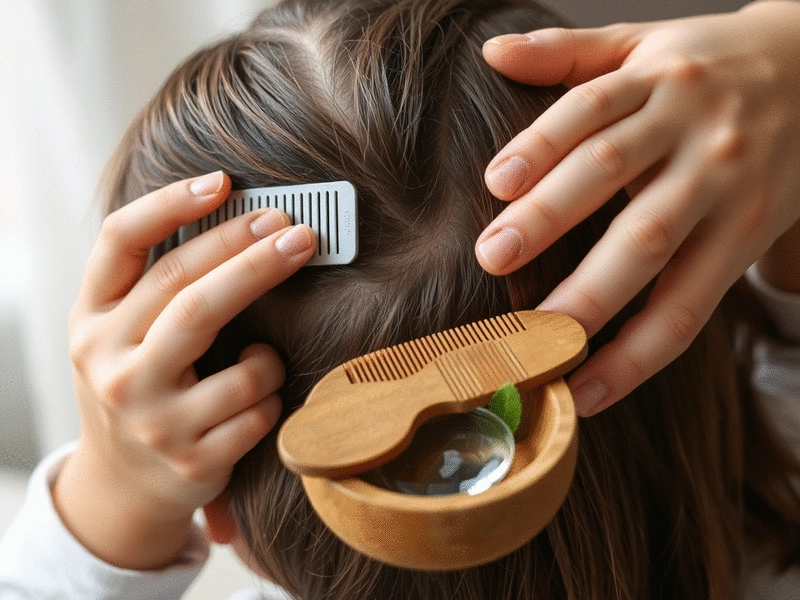
Consider using a fine-toothed nit comb. Regular combing, even between treatments, can help remove any stray lice or nits and ensure thorough eradication.
Remember, head lice are not a sign of poor hygiene. They can affect anyone, regardless of cleanliness. Focus on effective treatment and prevention, not stigma.
Stay calm and informed. Our detailed guides offer step-by-step instructions and product comparisons to make managing head lice less stressful.
Create a 'lice-free zone' at home by regularly checking family members and maintaining a consistent prevention routine, especially after sleepovers or school breaks.
Connect with our community! Share your experiences and insights to help other parents and caregivers navigate the challenges of head lice with confidence.
Always follow product instructions carefully when using treatments. This ensures maximum effectiveness and safety for your child.
Regularly vacuum carpets and upholstered furniture to remove any fallen hairs with attached nits, adding another layer of prevention.
Seal non-washable items in plastic bags for two weeks to kill any lingering lice or nits by depriving them of oxygen.
Have a plan ready! Knowing what steps to take if lice are found can significantly reduce stress and lead to quicker resolution.
Empower yourself with knowledge! Our goal at Lice Nits is to provide trusted, evidence-based information to help you manage head lice effectively.