Daycare Head Lice Policy Guide for Parents and Providers
What daycare lice policies usually say, why little kids are a special case, and how parents and providers can respond calmly together.
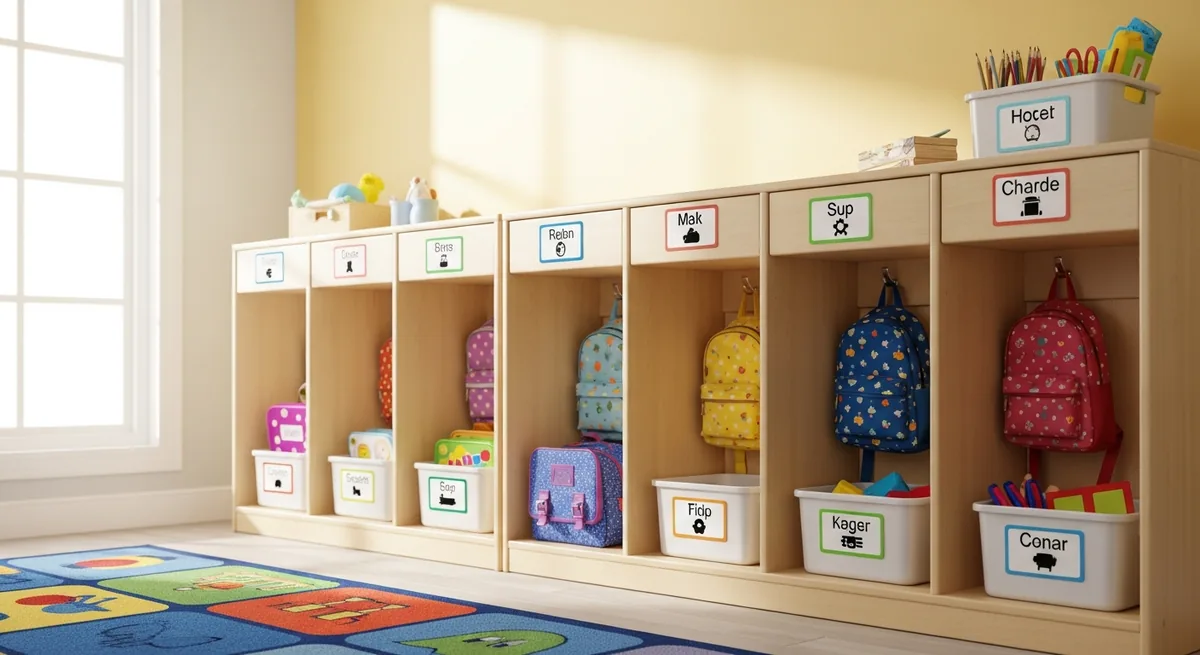
A daycare lice policy is the procedure a childcare program follows when a child has head lice — covering notification, whether the child can stay, and what is needed to return. Because daycare involves younger children, naps, and lots of close contact, policies often emphasize labeled personal items and parent communication. Crucially, treatment for babies and toddlers should be guided by a pediatrician, since not all lice products are safe for very young children. Specific rules vary by program and state licensing, so always check your provider's written policy.
Rules vary by district: Head lice policies differ from one school, daycare, district, and state to the next. This article explains common practices and current medical guidance — always confirm the specific written policy with your child's school or organization.
Why Daycare Is Different From School
Head lice work the same way at every age, but daycare creates a few conditions that make spread a little more likely and management a little more delicate. Knowing these differences helps both parents and providers respond sensibly instead of anxiously.
- Lots of close contact: toddlers hug, lean, and play head-to-head far more than older children, and that direct contact is the main way lice move.
- Naptime: mats, cots, blankets, and pillows are used daily and sometimes stored close together, which adds a small route for indirect spread if items are shared.
- Shared spaces and items: dress-up corners, soft furnishings, and group toys mean hats and headgear pass between children easily.
- Limited self-care: very young children cannot report an itchy scalp clearly, so cases may be noticed later.
None of this means daycare is a lice factory. It simply means the practical habits — labeling items and spacing out nap gear — carry a bit more weight here than they would for older kids.
It also helps to keep perspective on how often this actually happens. Most daycare children go years without a single case, and when one does appear it is almost always traced to ordinary close play rather than anything a provider or parent did wrong. The aim is steady, low-effort prevention and a calm response, not constant worry. A provider who treats lice as a routine, manageable part of group childcare — on par with the occasional cold making the rounds — sets exactly the right tone for families.
What a Typical Daycare Lice Policy Covers
Like schools, daycares set their own rules, often shaped by state childcare licensing requirements and local health guidance. While details differ, most written daycare policies address the same core points.
- Notification: how parents of an affected child are told, and whether a general, identity-free notice goes to other families.
- Exclusion: whether a child goes home and when they may return — many programs ask that a child be picked up and begin treatment before returning the next day.
- Return requirements: some providers want to see that treatment has started; others still ask for no live lice or follow a stricter no-nit approach.
- Prevention routines: guidance on labeled nap gear, individual storage, and not sharing brushes or hats.
Daycares vary widely, and some lean stricter than current pediatric guidance recommends because of licensing rules or parent expectations. The most reliable move is to read your provider's written policy when you enroll, so nothing is a surprise during an actual case. To compare with school-age procedures, see our school lice policy guide and our explainer on the no-nit policy.
Treating Toddlers and Babies Safely
This is the most important section for any parent of a little one. Many over-the-counter lice treatments are not approved for babies and young toddlers, and age limits differ from product to product. For children under 2 — and ideally any child under preschool age — you should always check with your pediatrician before applying any lice product.
Why caution matters
Young children have more sensitive skin and a higher surface-area-to-weight ratio, so chemical treatments deserve extra care. Your pediatrician can recommend an age-appropriate option or guide you toward a gentle, mechanical approach.
Wet combing as a first-line option
For the youngest children, thorough wet combing with conditioner and a quality metal nit comb is often the safest starting point. It is non-chemical, can be repeated every few days, and physically removes lice and eggs. To do it well, saturate clean, damp hair with a generous amount of conditioner, divide it into small sections, and draw the comb slowly from scalp to tip, wiping it on a paper towel after each pass. Repeating this every three to four days for two weeks catches lice that hatch from any eggs you missed, which is the part most people give up on too early.
A quick word on home remedies: parents understandably reach for oils, mayonnaise, or other kitchen treatments, but evidence for these is weak and some can irritate a toddler's skin or scalp. They are no substitute for combing or a pediatrician-approved product. Whatever route you take, confirm the diagnosis first — our guide on how to check for lice walks through it — and review safe options in our treatment guide before doing anything beyond combing on a very young child.
Prevention in a Daycare Setting
Prevention at daycare is mostly about a handful of low-effort routines that quietly reduce indirect spread. They work best when providers and parents do them together and consistently, without making any one child a target. None of these steps need to feel clinical — most are simply good organization that also happens to limit how easily lice move between children. The goal is a setting where every child has their own clearly marked gear and where head-touching items are not casually swapped during the busy parts of the day.
- Label every child's nap mat, blanket, and pillow with their name
- Store nap gear in individual bags or spaced-apart cubbies
- Give each child a personal hook or bin for hats and coats
- Avoid sharing brushes, combs, and dress-up headgear
- Tie back longer hair during the day when possible
- Wash and dry nap bedding regularly on a normal hot cycle
- Keep soft dress-up hats to a minimum or clean them routinely
- Send and read calm, identity-free notices when a case appears
A Calm Step-by-Step Plan for the First Few Days
When a call comes from the daycare, having a simple sequence to follow turns a stressful afternoon into a series of small, doable tasks. The plan below assumes a young child, so it leans heavily on safe, gentle methods.
Day one
Confirm the case before treating anything. In bright light, comb through damp, conditioned hair with a metal nit comb and look for movement, not just specks. If your child is under 2 — or you are unsure which products are appropriate — call your pediatrician before applying any medicated treatment, and start thorough wet combing in the meantime. Let the daycare know you have found a case and are already acting on it.
Days two and three
Continue the routine your pediatrician recommends. If you are wet combing, repeat it: saturate the hair with conditioner, work in small sections from scalp to tip, and wipe the comb on a paper towel after each pass. Wash the bedding and nap gear your child used recently on a hot cycle and dry on high heat. There is no need to bag up toys or scrub the whole house.
The following week
Keep comb-checking every three to four days for two weeks, because this is when eggs you could not see will hatch. Many medicated treatments also call for a second application about a week after the first — skipping it is the single most common reason a case comes back. Tell the provider when treatment is complete and confirm exactly what they need for return.
Throughout, jot down what you did and when. A short note — "started combing Monday, repeat treatment scheduled, bedding washed Tuesday" — makes the conversation with the provider easy and reassures them you have it handled. Keep in mind that some programs, shaped by state licensing, ask for more than others before a child rejoins the group, so the exact return step will depend on your provider's written policy. What stays constant is the calm, methodical approach, which works far better than rushing or panicking.
Calm Communication Between Parents and Providers
How a daycare and a family talk about lice matters as much as the policy itself. Lice are common and treatable, and the goal of every message should be reassurance, not blame.
For providers: notify the affected family privately and kindly, keep any general notice free of names, and offer practical next steps rather than judgment. Make it clear that the child is welcome back once your policy is met, and point families to age-appropriate treatment information.
For parents: respond promptly, tell the provider when you have started treatment, and ask exactly what is required to return. If you have a baby or toddler, mention that you are coordinating with your pediatrician on a safe approach, which most providers will understand and respect. Resist the urge to figure out which child started it — that question only breeds blame, and because lice are usually present for weeks before discovery, it is rarely answerable anyway.
If you are a provider fielding anxious calls from other families, a short, factual script helps: confirm that you have a case, explain the steps you are taking, reassure parents that lice are harmless and treatable, and remind them to check their own children calmly over the next week or two. Pointing every family to the same trusted information keeps everyone on the same page and prevents rumors from filling the gap.
Because daycare rules and state licensing requirements vary, treat your provider's written policy as the final word and raise any disagreements respectfully. If you are weighing whether to keep your child home at all, our guide on when to keep your child home and our classroom prevention guide can help you decide and prepare.
How to Handle a Daycare Lice Notice
- 1
Read the notice and the policy
Note what the daycare requires for treatment and return, and re-read the written policy in your enrollment paperwork.
- 2
Confirm before you treat
Check your child's hair in bright light with a metal nit comb to verify live lice before applying anything.
- 3
Call your pediatrician for little ones
For babies and toddlers, ask your pediatrician which approach is safe before using any over-the-counter product.
- 4
Start an age-appropriate treatment
Begin the recommended treatment or thorough wet combing, and plan the follow-up sessions it requires.
- 5
Tell the provider your plan
Let the daycare know you have started treatment and confirm exactly what is needed for your child to return.
- 6
Wash gear and keep monitoring
Launder nap bedding on a hot cycle, label personal items, and comb-check every few days for two weeks.
Related Reading