Sports Team Head Lice Prevention: Helmets, Mats and Shared Gear
Practical, no-panic guidance on managing head lice risk in contact sports, shared gear, and on the team.
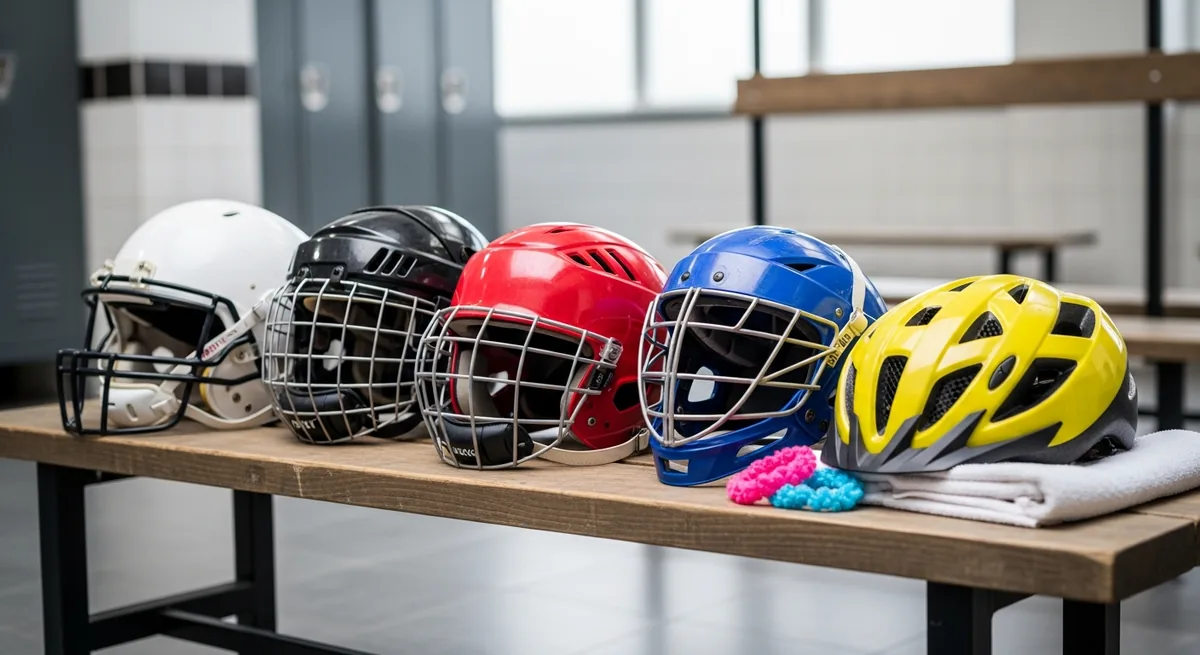
On a sports team, head lice spread mainly through direct head-to-head contact during close-quarters sports like wrestling, not through equipment. Lice cannot survive long away from a warm scalp and usually die within one to two days off the head, so shared helmets, headgear, and mats are a minor route by comparison. The smartest prevention is keeping personal gear personal, tying long hair back, and doing quick weekly checks. Rules differ by league, school, and team, so confirm your program's expectations.
Rules vary by district: Head lice policies differ from one school, daycare, district, and state to the next. This article explains common practices and current medical guidance — always confirm the specific written policy with your child's school or organization.
Where the Real Risk Lives in Team Sports
If your child plays a contact sport, it is natural to wonder whether the team is a lice hotspot. The honest answer is reassuring: the biggest risk is not the gear bag — it is the moments when heads actually touch. Head lice are wingless insects that crawl; they do not jump or fly. They move from one person to another almost entirely through direct, sustained head-to-head contact, which is exactly what happens in certain sports more than others.
Wrestling is the classic example. Athletes spend long stretches with their heads pressed together, and that close contact is a genuine transmission route. Rugby scrums, judo and jiu-jitsu grappling, cheerleading stunts, and youth football pile-ups create similar opportunities. By contrast, sports like soccer, basketball, swimming, track, and baseball involve very little head-to-head time, so the day-to-day risk there is low.
It helps to keep this in perspective. Head lice are common, they are not a sign of poor hygiene, and catching them does not mean a child or a team did anything wrong. Framing it as a normal, manageable issue — rather than something shameful — keeps everyone calmer and makes prevention easier to talk about. An athlete who feels embarrassed is far less likely to mention an itchy scalp early, when it is easiest to handle, so a relaxed attitude is itself a form of prevention.
One more reassurance worth stating plainly: lice do not carry disease, they do not damage athletic performance, and a single case does not mean the whole team needs treating. The job is simply to limit the few genuine contact routes, catch any case early, and treat the children who actually have live lice — nothing more dramatic than that.
Helmets, Headgear and Mats: A Smaller Threat Than You Think
Shared equipment understandably feels like an obvious culprit, but the biology works in your favor here. A louse is built to live on a warm human scalp, feeding several times a day and staying close to its food and warmth source. Once a louse is off the head, it begins to dehydrate and weaken quickly. Most lice die within one to two days away from a person, and they become too sluggish to feed or reproduce well before that.
That means a helmet, a set of wrestling headgear, a batting helmet, or a mat is a far less efficient way to pass lice than two heads touching for several minutes. For a louse to move via gear, it would need to crawl onto the equipment, survive there, and then transfer to the next athlete's scalp within a short window — a much rarer chain of events than direct contact.
So should you bother cleaning gear?
Yes, but for the right reasons and without panic. Routine equipment hygiene is good practice for skin infections and general cleanliness, and it offers a modest extra margin against lice. There is no need for harsh chemical sprays or fumigation. If a specific athlete has had lice, simply set their shared-use items aside for two days, or wipe and air them out, and the lice on that gear will no longer be viable. Heat — like a hot dryer cycle for soft items — is also effective.
Practical Prevention for Athletes
Good prevention on a team is mostly about small, repeatable habits rather than dramatic measures. The goal is to reduce head-to-head sharing of personal items and to make hair less available to a wandering louse during close-contact play.
Long hair is worth special attention. Loose, flowing hair gives lice an easy bridge during contact and during everyday closeness on the bench or in the locker room. Pulling hair into a tight braid, bun, or ponytail removes much of that easy access. A light styling product can make stray hairs less likely to brush against a teammate.
Personal gear should stay personal whenever it is realistic. Helmets and headgear are the items that sit directly against the scalp, so they are the ones most worth assigning to a single athlete. When programs can provide individually assigned headgear, that is the cleanest solution; when gear must be shared, a quick clean-and-rest routine between users handles the small remaining risk.
- Tie long hair into a tight braid, bun, or ponytail before practice and games
- Use personally assigned helmets and headgear where the program allows
- Avoid sharing hats, headbands, bandanas, hoods, and hair ties
- Keep each athlete's brush, comb, and towel in their own labeled bag
- Wipe down or rest shared headgear and mats between users
- Run cloth items through a hot dryer cycle after a known case
- Encourage athletes to keep heads apart off the field when it is easy to do
Building a Simple Checking Routine
Catching lice early keeps a single case from quietly spreading and makes treatment far easier. The most reliable method is a quick comb-through on damp, conditioned hair using a fine-tooth metal nit comb, wiping the comb on a paper towel after each pass and looking for moving lice or eggs glued near the scalp. Bright light and a few minutes are all you need. Pay special attention to the warm spots lice prefer: behind the ears and along the nape of the neck, where eggs are most often found cemented close to the roots.
For active athletes, a weekly check during the season is a sensible rhythm, with an extra look after tournaments or away trips where kids share close quarters. Itching is the most familiar symptom, but plenty of people do not itch at first, so do not rely on scratching alone. A child who suddenly seems fidgety about their scalp, or who has had repeated close-contact matches, is worth a quick look even if nothing is obvious. If you want a full walkthrough, our guide on how to check for lice covers the technique in detail.
It is also useful to know the difference between a live infestation and harmless leftovers. Empty egg casings far down the hair shaft are usually old and already hatched, and they do not mean an active case on their own. What matters is finding live, crawling lice or viable eggs sitting close to the scalp. If you do find those, there is no need for alarm. Begin an evidence-based treatment, comb regularly, and let the coach or team contact know so other families can check too. Our head lice treatment guide explains proven options step by step.
Talking About Lice as a Team
Communication is where teams either handle lice gracefully or turn it into drama. The aim is a calm, factual heads-up that lets families check and act — never a public callout that singles out a child. Most coaches appreciate a clear, low-key message they can pass along, and most parents respond well when the tone is matter-of-fact rather than alarmed.
Privacy matters. A child who has lice should never be named or treated as a contamination source; lice are an ordinary nuisance, not a hygiene failure. A simple note such as "a case of head lice has been reported on the team, please do a quick check at home" gives everyone what they need without embarrassment. It can help to pair that message with a reminder of the basics — keep hair tied back, do not share headgear or hats, and do a home check — so the note feels constructive rather than worrying.
It is also worth remembering that policies and expectations vary widely from one league, school district, club, or team to the next. Some programs have written guidance on participation after a case; others leave it entirely to families. A few schools tie team rules to the broader district lice policy, while community clubs may have nothing in writing at all. Ask your coach or program administrator what your team expects so there are no surprises mid-season, and confirm whether an athlete who has started treatment can keep competing — in most modern guidance, they can.
Team Head Lice Prevention Routine
- 1
Set personal-gear rules
Assign helmets and headgear to individual athletes where possible, and make a clear no-sharing rule for hats, towels, brushes, and hair ties.
- 2
Manage hair before play
Have athletes with long hair tie it into a tight braid or bun before every practice and competition to reduce easy head-to-head transfer.
- 3
Clean and rest shared items
Wipe down or air out shared headgear and mats between users, and rest any gear from a known case for two days so lice are no longer viable.
- 4
Run weekly checks
Encourage families to comb-check athletes weekly during the season and after tournaments using a fine-tooth metal nit comb on damp hair.
- 5
Communicate calmly
If a case is reported, share a brief, private, non-shaming heads-up so other families can check and treat early.
- 6
Treat promptly
Start an evidence-based treatment at the first sign of live lice and keep combing every few days until checks stay clear.
Related Reading