Summer Camp Head Lice Prevention: A Parent's Packing Guide
A practical packing-and-checking guide to help your child enjoy camp while keeping head lice low on the list of worries.
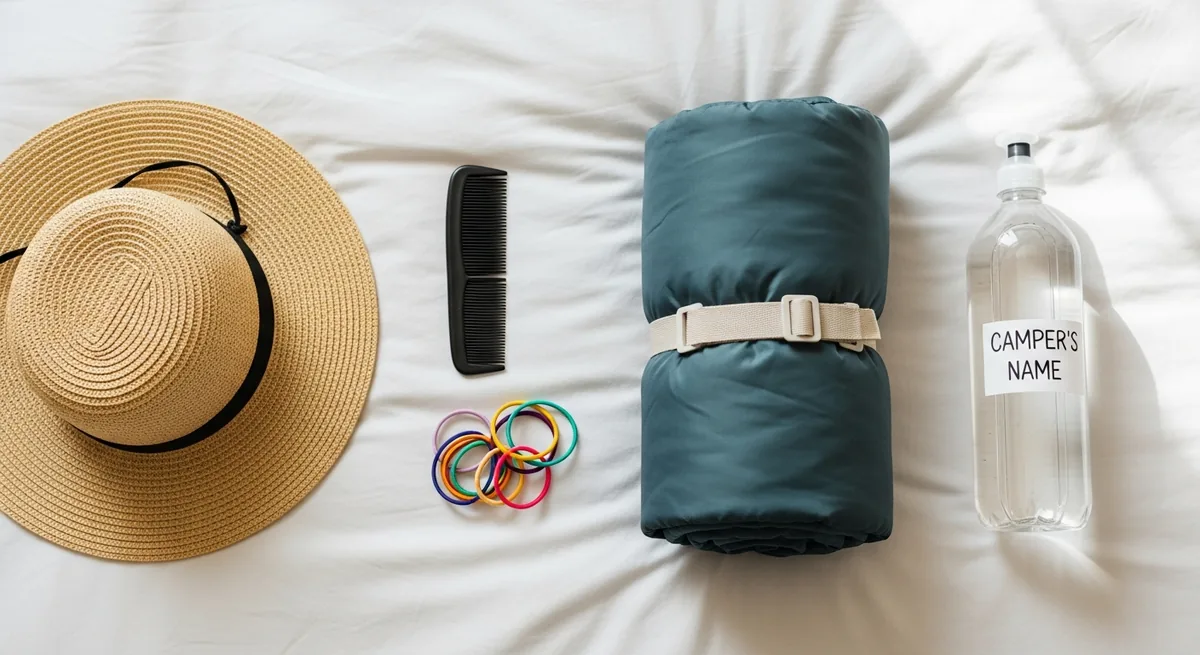
Summer camp brings kids into close quarters — shared cabins, bunks, costumes, and group photos — so a little lice prevention goes a long way. The two highest-value steps are a careful head check before camp and another one when your child comes home, plus packing their own comb, hats, and hair ties so personal items are not shared. Tie longer hair back during the session to reduce head-to-head contact. Camps vary in their policies and screening, so check what yours does before drop-off.
Rules vary by district: Head lice policies differ from one school, daycare, district, and state to the next. This article explains common practices and current medical guidance — always confirm the specific written policy with your child's school or organization.
Why Camp Is a Higher-Risk Setting for Lice
Camp is wonderful precisely because it is social, hands-on, and physically close — and those same qualities give head lice more opportunities to move between children. None of this should keep your child home; it just means a few simple habits are worth building in.
- Shared sleeping quarters: bunks and cabins place heads near one another for hours each night, and bedding can be close together.
- Group activities: sports, crafts, and team huddles bring heads into direct contact, which is the main way lice spread.
- Costumes and dress-up: theater nights, color wars, and themed days often mean shared hats, wigs, and headgear.
- Group photos and selfies: kids press their heads together for pictures more often than they realize.
Day camps carry less overnight risk than sleepaway camps, but both involve plenty of close contact. The point is not to worry, but to send your child prepared so a possible case stays small and manageable.
It also helps to remember that a lice case is never a verdict on your family. Camp brings together children from many homes for days of enthusiastic, hands-on fun, and that mixing is exactly what makes camp valuable — and what occasionally lets lice hitch a ride. Children with the longest, most adventurous summers are sometimes the ones who come home with an unwanted souvenir, and that is simply part of group living, not a sign that anyone did anything wrong.
The Pre-Camp Head Check
The single most valuable thing you can do is check your child's head carefully before camp starts. Sending a child who already has an undetected case is the most common way lice arrive at camp, and an early check protects both your child and their cabinmates.
Do the check in bright light, ideally near a window, and work through wet, conditioned hair with a quality metal nit comb, section by section. Look close to the scalp — especially behind the ears and at the nape of the neck — for tiny moving lice and for nits glued firmly to hair shafts. If you find an active case, treat it fully before camp begins rather than hoping it resolves on its own. Our step-by-step guide on how to check for lice covers the technique in detail, and our treatment guide explains proven options if you do find something.
A clean pre-camp check also gives you peace of mind and a baseline, so if anything turns up afterward you will know it most likely started at camp.
What to Pack: The Anti-Lice Packing List
Smart packing makes prevention almost automatic, because the goal is simply to make sure your child does not need to borrow head-touching items. Label everything clearly so personal gear stays personal.
- Your child's own labeled hairbrush or comb
- A metal nit comb tucked into their toiletry kit
- Plenty of hair ties, clips, and a headband for tying hair back
- Personal hats and caps — clearly labeled, not for sharing
- Their own pillow and pillowcase if the camp allows
- A labeled towel and personal toiletry bag
- A small note reminding them not to share hats, brushes, or helmets
- Detangling conditioner to make hair easier to manage and comb
Protective Hairstyles and Everyday Habits
For campers with longer hair, keeping it contained genuinely lowers the chance of head-to-head transfer. The styles do not need to be fancy — they just need to keep loose hair gathered through busy, active days.
Braids, buns, ponytails, and topknots all work well, and a snug braid is especially good for overnight. Some parents add a light spritz of a leave-in detangler so hair is easier to manage and re-do at camp. French braids and double braids tend to hold up through a whole day of swimming and field games, which means less loose hair brushing against bunkmates. Pack a few extra elastics, since these always go missing, and consider teaching your camper a simple style they can redo themselves if a counselor is busy. Beyond hairstyles, a few gentle reminders help: do not share hats, helmets, or brushes; keep your own pillow and sleeping bag to yourself; and resist the urge to swap costume headpieces during themed events. Frame these as normal camp routines rather than lice rules, so they feel easy rather than anxious.
If your camper is also on a sports team during the session, the same logic applies to shared helmets and caps — our sports team prevention guide goes deeper on that scenario.
What Camps Typically Do
Camps handle lice in very different ways, so it is worth asking about their approach before drop-off. Knowing the plan in advance keeps you calm if you get a call mid-session.
Some sleepaway camps run a head check at arrival and will ask you to treat before a camper joins the group. Others screen periodically during the session or only when a child reports itching. Many have a camp nurse or health center that manages cases discreetly, notifies parents, and follows the camp's written policy on treatment and return. Day camps may simply send a general notice home and ask families to check and treat as needed.
Policies and screening practices vary widely from one camp to another, and there is no single national standard, so read the camp handbook and ask the health office directly about their lice procedures, including whether they treat on-site or expect parents to handle it. For an overview of prevention strategies tailored to camp life, see our head lice prevention for camps resource and our broader prevention guide for parents.
If You Get a Call During the Session
Even with good preparation, a camp may phone partway through the session to say your child has lice. Knowing how to respond keeps the moment from feeling like a crisis.
First, ask what the camp will do
Practices differ widely. Some camps have a nurse who will treat on-site and simply keep you informed; others ask permission before beginning treatment; and a few request that you come and pick up your child. Find out which applies, whether they will comb as well as treat, and how they will protect your child's privacy with cabinmates. A calm, factual conversation sets the tone for everyone.
If the camp treats on-site
Ask which product or method they use and whether a follow-up application is planned before the session ends. If your child is younger or has sensitive skin, mention any concerns and ask to be consulted before a medicated product is applied. Confirm that bedding and any borrowed costume items will be laundered.
If you need to collect your child
Treat it as a routine errand, not a punishment. Reassure your camper on the ride home that lice are common, that plenty of kids get them, and that it says nothing about them. Then run a full check and treatment at home and, if the session is still going, ask whether they can return once treated.
What to say to your child
A short, warm script works wonders: "This happens to lots of kids at camp — it is no big deal, we will sort it out together, and you can get right back to your friends." Children take their emotional cue from you, so steadiness matters more than speed.
Because there is no single national standard for how camps handle lice, the exact steps will follow that camp's written policy and the judgment of its health staff. Whatever the specifics, the same calm, prepared mindset you packed for at the start is what carries you through a mid-session surprise.
The Post-Camp Check
The homecoming check is just as important as the pre-camp one, and it is easy to forget in the happy chaos of unpacking. Plan to do a thorough check within a day or two of pickup, and ideally again about a week later, since a small new case can take time to become obvious.
Use the same method: bright light, wet conditioned hair, and a metal nit comb worked through small sections, paying attention behind the ears and at the neckline. Take your time and do not rush a single pass; the most commonly missed spots are right at the nape and just above the ears, where lice like to stay warm. A second check about a week later matters because any eggs present at pickup will have had time to hatch by then, so catching the next generation early keeps a minor case from turning into a household one. While you are at it, wash camp clothes, hats, and bedding on a hot cycle and dry on high heat — not because lice thrive on fabric, but because it is simple and reassuring. If you do find an active case, do not panic and do not feel embarrassed; lice are common, treatable, and no reflection on your family. Start an evidence-based treatment, comb-check every few days for two weeks, and your camper will be back to normal in no time.
The Pre-Camp and Post-Camp Lice Routine
- 1
Check before camp
Inspect your child's hair in bright light with a metal nit comb through wet, conditioned hair, focusing behind the ears and at the neck.
- 2
Treat any active case first
If you find live lice before camp, complete a full treatment so your child arrives clear and protects their cabinmates.
- 3
Pack personal head gear
Send a labeled brush, nit comb, hats, and hair ties so your child never needs to borrow head-touching items.
- 4
Tie hair back for the session
Use braids, buns, or ponytails to reduce loose hair and lower the chance of head-to-head transfer.
- 5
Check again at homecoming
Do a careful comb-through within a day or two of pickup, and repeat about a week later to catch anything early.
- 6
Treat calmly if needed
If a case turns up, start an evidence-based treatment, wash recent bedding on hot, and comb-check every few days for two weeks.
Related Reading