Sleepover Head Lice Prevention: A Simple Guide for Parents
A calm, practical guide to lowering head lice risk at sleepovers without making your child anxious.
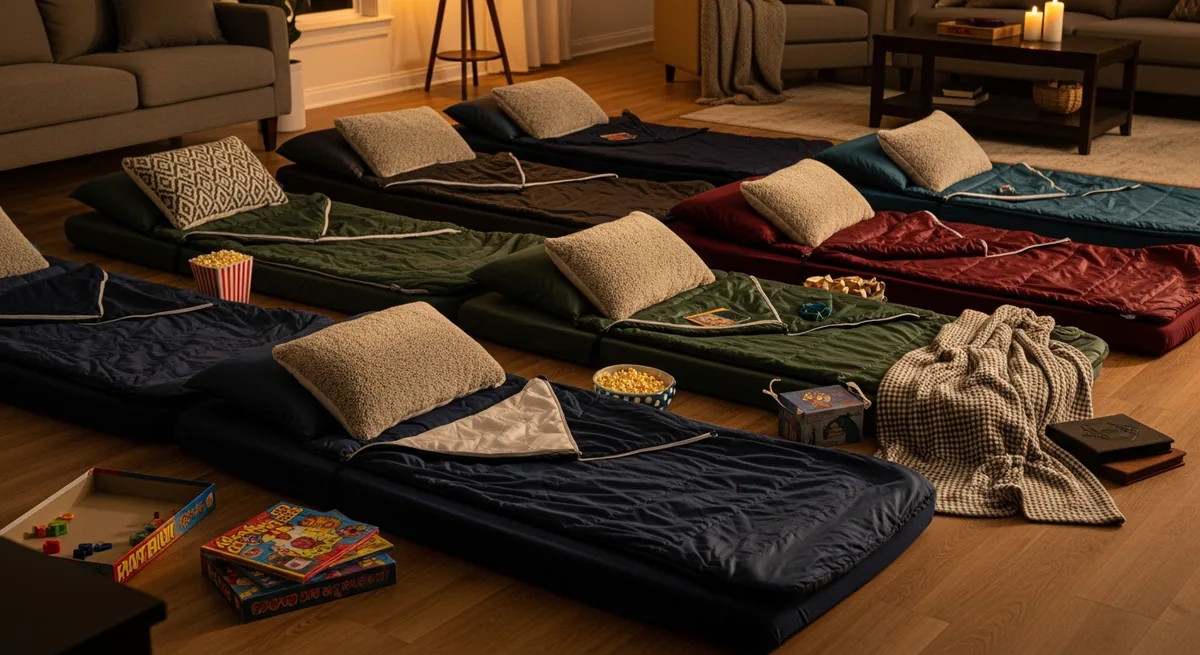
Sleepovers can pass head lice mainly through close sleeping, shared pillows and bedding, head-to-head selfies, and shared brushes or hats. The good news is that a few easy habits — bringing your own pillow and sleeping bag, tying hair back, and not sharing brushes or headwear — sharply lower the risk. Do a quick comb-check a few days after the sleepover, and keep the whole thing light rather than fearful. Group rules vary by host and venue, so a friendly heads-up never hurts.
Rules vary by district: Head lice policies differ from one school, daycare, district, and state to the next. This article explains common practices and current medical guidance — always confirm the specific written policy with your child's school or organization.
Why Sleepovers Come Up in Lice Conversations
Sleepovers are a beloved part of childhood — and they happen to combine several of the conditions head lice like best: lots of kids, lots of closeness, and shared sleeping space. That does not make them dangerous, and it is certainly not a reason to cancel the fun. It just means a little awareness goes a long way.
Head lice spread almost entirely through prolonged, direct head-to-head contact. At a sleepover, that contact is everywhere: kids crammed onto one couch for a movie, heads leaning together for selfies and group photos, whispering side by side, and finally sleeping in close quarters for hours. Pillows, sleeping bags, and brushes can play a small supporting role, but the long stretches of heads being near each other are the main story.
It is worth remembering how lice actually move, because the biology is reassuring. They cannot jump, fly, or leap between heads — they crawl, and only when hair is close enough to provide a bridge. Away from a warm scalp they weaken fast and usually die within a day or two, which is why a sleepover is about managing a handful of close-contact moments rather than disinfecting an entire house. Knowing this helps you skip the frantic deep-cleaning that some families fall into and focus on the few things that genuinely help.
Keep the mood reassuring. Lice are common and have nothing to do with cleanliness or good parenting. The goal here is not to scare your child or anyone else's, but to fold a few effortless habits into the night so a great memory does not come with an unwelcome surprise a week later.
The Real Sleepover Risks, Ranked
It helps to know which moments matter most so you can focus your energy where it counts rather than worrying about everything.
- Close sleeping: Hours of heads side by side on a shared bed or on the floor is the single biggest opportunity for lice to crawl across.
- Head-to-head selfies and group photos: Kids naturally press their heads together for pictures, which is brief but frequent and a genuine route.
- Shared pillows and bedding: A louse can briefly survive on a pillow, so swapping pillows or piling onto one bedroll adds some risk.
- Shared brushes and combs: A brush can carry a louse or two from one head to the next, especially during the inevitable late-night hair play.
- Shared hats, headbands, and dress-up items: Costume boxes and hat-swapping are fun but pass headwear directly between scalps.
Notice the pattern: anything that puts heads or head-touching items in direct, repeated contact deserves a little attention. Everything else — sharing snacks, sitting in the same room, using the same bathroom — is essentially irrelevant for lice. This is genuinely freeing, because it means you can let your child enjoy almost everything about a sleepover and simply steer a couple of the highest-risk habits.
It also explains why timing matters. A child who already has lice but has not been noticed yet is the usual way an infestation arrives at a sleepover; the bugs were not lurking in the host's house waiting. That is why a quick at-home check before a sleepover is a kind, sensible step, and why the follow-up check afterward catches anything that may have transferred.
Simple Prevention That Keeps the Night Fun
The best sleepover prevention is the kind nobody really notices. You are not trying to wrap your child in bubble wrap; you are just nudging a few defaults. Most of these take seconds and do not single anyone out.
Packing their own sleep setup is the highest-value move. A personal pillow and sleeping bag mean your child's head spends the night on their own gear rather than a shared surface. Tying long hair back into a braid or bun before bed reduces the loose, dangling hair that makes crawling easy. And a quiet "let's keep our own brush this time" prevents the most common item-based route.
Frame these as normal travel habits, not lice precautions, and your child will not feel anxious or different. Plenty of kids bring their own pillow simply because it is comfier — no explanation needed. The same is true for a hair tie or a favorite brush; these read as ordinary preferences, not as a statement about anyone's home.
If your child has very long or thick hair, a braid is especially worth the thirty seconds it takes. Loose hair spread across a shared pillow is the easiest possible path for a louse, while a contained braid gives it almost nothing to grab. And if the group plans face-paint, costumes, or a photo booth, a gentle reminder to keep their own headband and hat keeps the most contact-heavy props from becoming a shared item.
- Pack your child's own pillow and sleeping bag or bedroll
- Tie long hair into a braid or bun before bed
- Send a personal brush or comb and ask that it not be shared
- Skip sharing hats, headbands, costumes, and dress-up wigs
- Gently discourage head-to-head selfies for very long stretches
- Bring your own towel if showers are part of the plan
- Do a quick comb-check a few days after the sleepover
Checking a Few Days After
One of the trickiest things about lice is the lag: it can take days or longer before any itching starts, and many kids never itch much at all. That is why a simple follow-up check beats waiting for symptoms. Plan a quick comb-through about a week after the sleepover, which gives any hitchhiking lice time to become visible.
The most reliable method is wet-combing: work conditioner through damp hair, then draw a fine-tooth metal nit comb from the scalp to the ends in sections, wiping it on a paper towel after each pass and looking for moving lice or eggs cemented near the roots. It takes only a few minutes and turns guesswork into certainty. Our guide on how to check for lice walks through every step.
If you do spot lice, stay calm — this is a routine, fixable situation. Start an evidence-based treatment and keep combing every few days until checks come back clear. Our head lice treatment guide lays out proven options, and it is thoughtful to let the host know so other families can check too.
Keeping It Low-Key, Not Fearful
How you talk about lice shapes how your child feels about it. Treat it as a normal, no-big-deal part of being a kid and they will too; treat it as a crisis and you risk making sleepovers stressful for everyone. A relaxed, factual tone is the most protective thing you can offer. Children pick up on adult anxiety quickly, and a child who feels ashamed about lice may hide an itchy scalp rather than tell you — which is the opposite of what you want.
The same goes for talking with other parents and hosts. A friendly, private heads-up — never a public callout — keeps trust intact and helps families act early without anyone feeling blamed. Hosts and venues handle these things differently, and expectations vary from one family, group, or event to the next, so a quick, kind conversation usually clears up what everyone is comfortable with. Some hosts are happy to provide separate pillows; others appreciate the heads-up that you are sending your child's own. Neither approach is wrong.
A quick word on overreacting
You do not need to bag up every soft toy in the house, throw away hats, or treat a child who shows no sign of lice "just in case." Preventive chemical treatments on a lice-free head are not recommended, and aggressive house cleaning offers little benefit because lice do not live in carpets or furniture. A normal wash of recently used pillowcases and a calm follow-up check are more than enough.
Above all, do not let lice worries crowd out the joy of a sleepover. The habits above run quietly in the background, the follow-up check is fast, and the overwhelming majority of sleepovers end with nothing more than tired, happy kids.
Sleepover Lice Prevention: Before and After
- 1
Pack a personal sleep kit
Before the sleepover, pack your child's own pillow, sleeping bag or bedroll, brush, and towel so their head stays on their own gear overnight.
- 2
Style hair for the night
Tie long hair into a braid or bun before bed to reduce the loose hair that makes it easy for lice to crawl across during close sleeping.
- 3
Set gentle sharing habits
Remind your child, in a relaxed way, to keep their own brush and skip swapping hats, headbands, or costume pieces.
- 4
Wait about a week
Give any hitchhiking lice time to become visible rather than checking the very next morning when they would be hard to spot.
- 5
Do a wet-comb check
Run conditioner through damp hair and comb in sections with a fine-tooth metal nit comb, wiping it on a paper towel and looking for lice or eggs.
- 6
Act calmly if needed
If you find lice, start an evidence-based treatment, keep combing every few days, and quietly let the host know so others can check too.
Related Reading